foto slide home nashira

Italian manufacturer of tungsten carbide and hard metal components

Nashira Hard Metals

Tungsten carbide-cobalt (WC-Co)

Nashira Hardmetals manufactures tungsten carbide-cobalt (WC-Co) hardmetal components and semi-finished products in Italy.

Since 1999, we have been developing and manufacturing hardmetal solutions for industrial applications where wear resistance, hardness, toughness, and dimensional stability are critical factors.

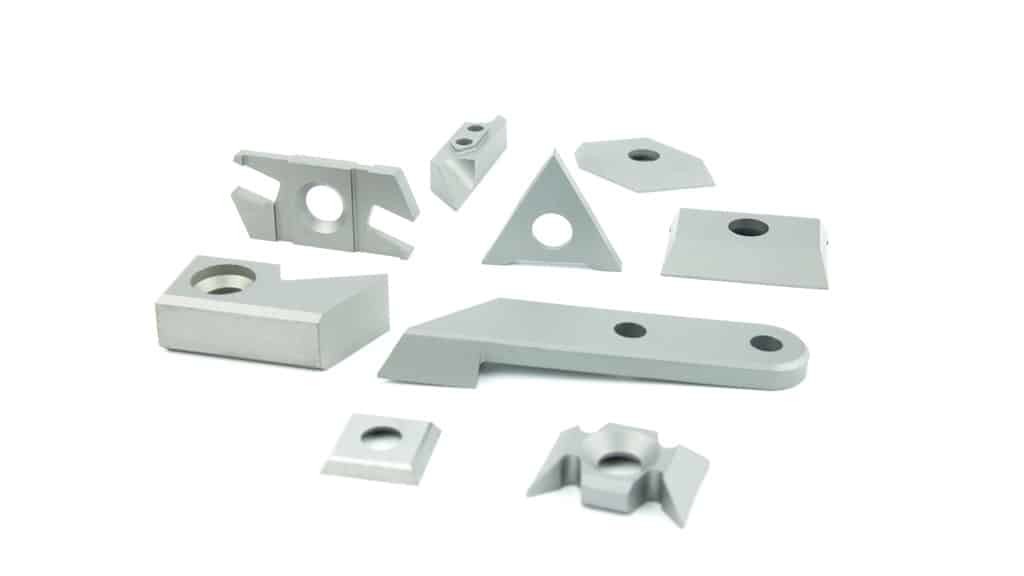
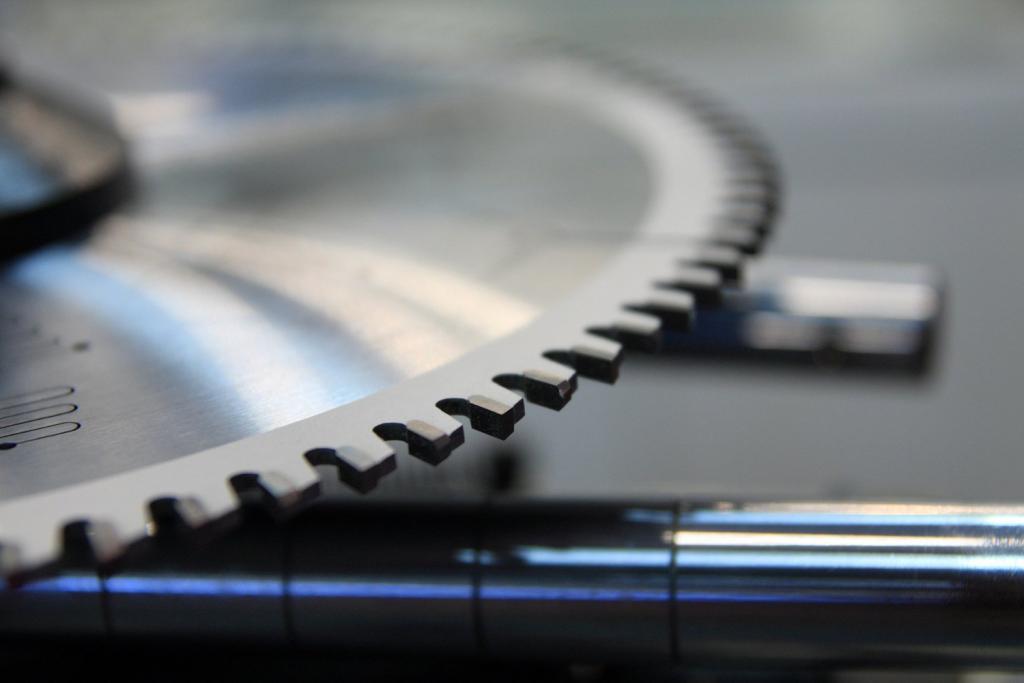
hardmetals-blank-inserts-for-woodworking

WC-Co cemented carbide production

Nashira Hardmetals is an Italian manufacturer of tungsten carbide; it produces WC-Co based hard metal components and semi-finished products from tungsten carbide and cobalt powders, developing WC-Co grades for various industrial applications.

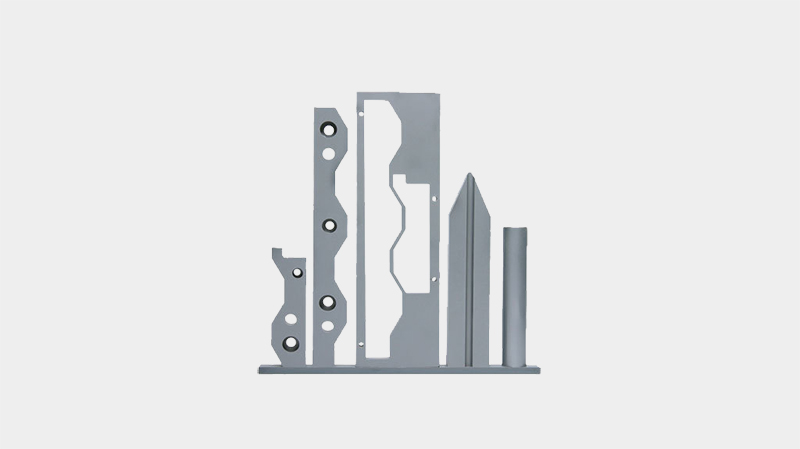
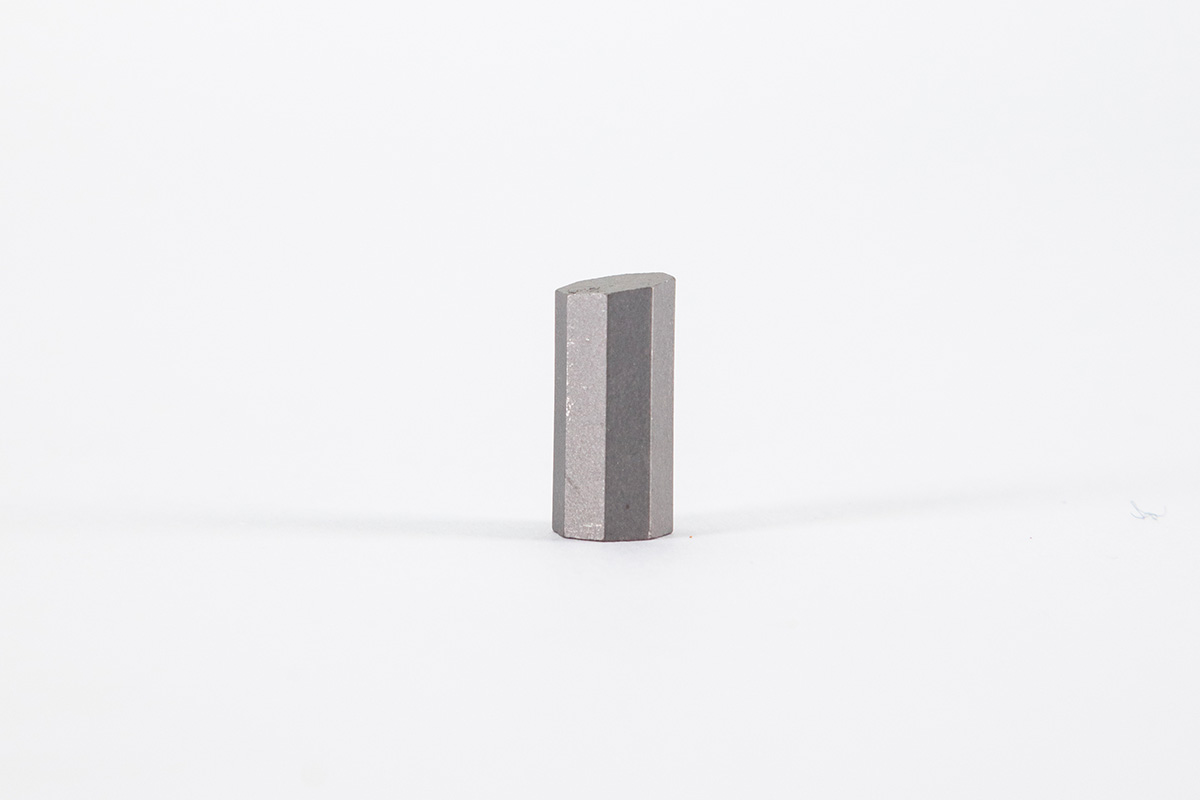
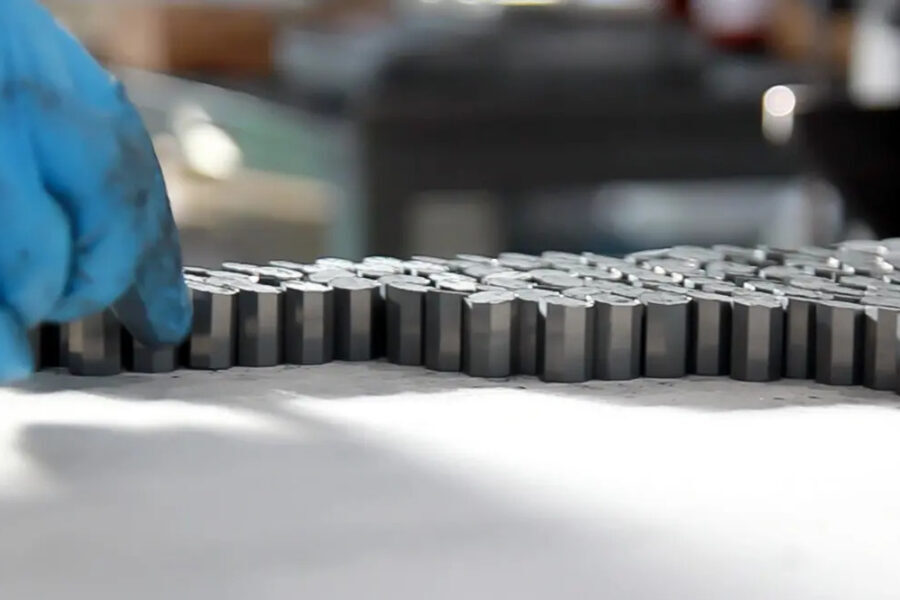
Its production range includes rods, cylinders, ground components, wear parts, and custom-designed special components, spanning everything from prototypes to industrial-scale production.

About us

WC-Co Raw Materials and Powder Control

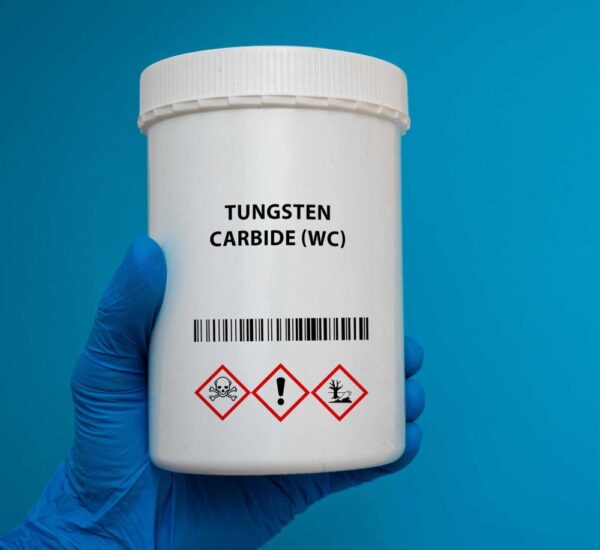
Nashira Hardmetals produces cemented carbide from tungsten carbide (WC) and cobalt (Co) powders, selected and controlled according to the specific grade and end-use application.
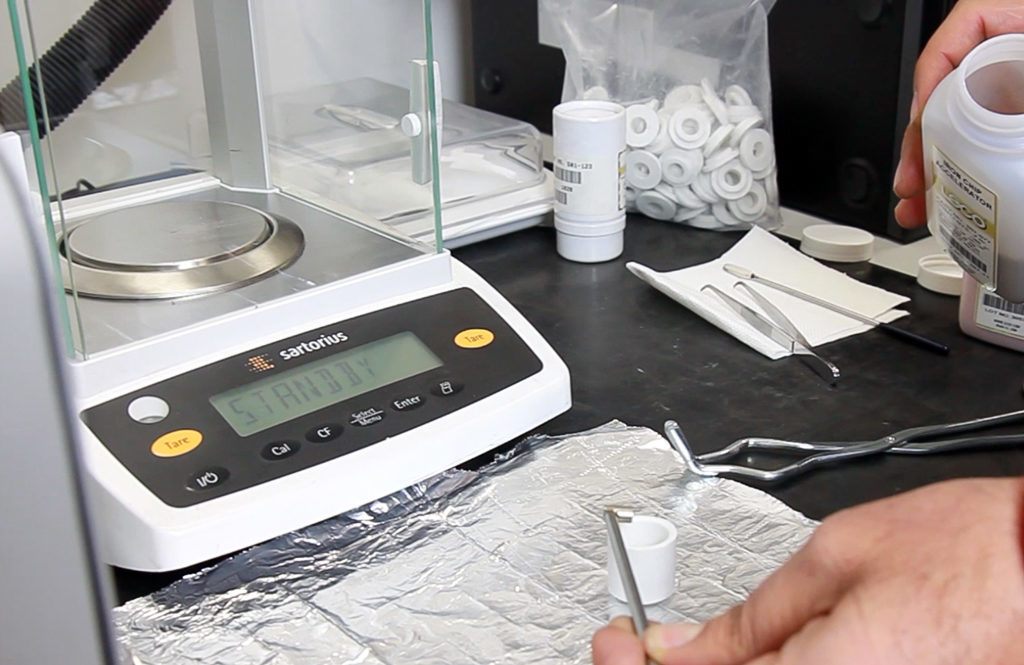
The quality of the sintered material depends on chemical composition, powder particle size, binder content, and control of the entire production process. For this reason, Nashira verifies the characteristics of raw materials prior to their use in production.
Virgin powders and reclaimed tungsten carbide
Alongside virgin raw materials, Nashira also develops and utilizes reclaimed tungsten carbide derived from the recovery of end-of-life cemented carbide. The material undergoes chemical, particle size, and metallurgical testing before being reintroduced into the production cycle.

Mechanics

Thanks to high-quality manufacturing, Nashira is able to resolve any issues related to wear and the durability of critical components in tungsten carbide tools.

Stone

The experience gained in this sector over the years has enabled us to develop specific carbide grades capable of covering various types of machining operations.

Wood

The experience gained in the wood sector enables us to resolve typical issues related to wear and abrasion resistance.

Surface

The world of sandblasting and surface treatments demands productivity and high standards.

Ground products

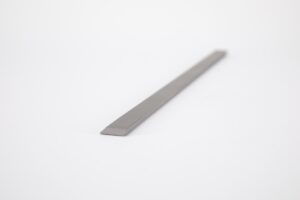
Nashira now also offers a grinding service for carbide—produced in both round and flat forms—to tolerances of +/- 0.005 mm.

Technologies and quality control

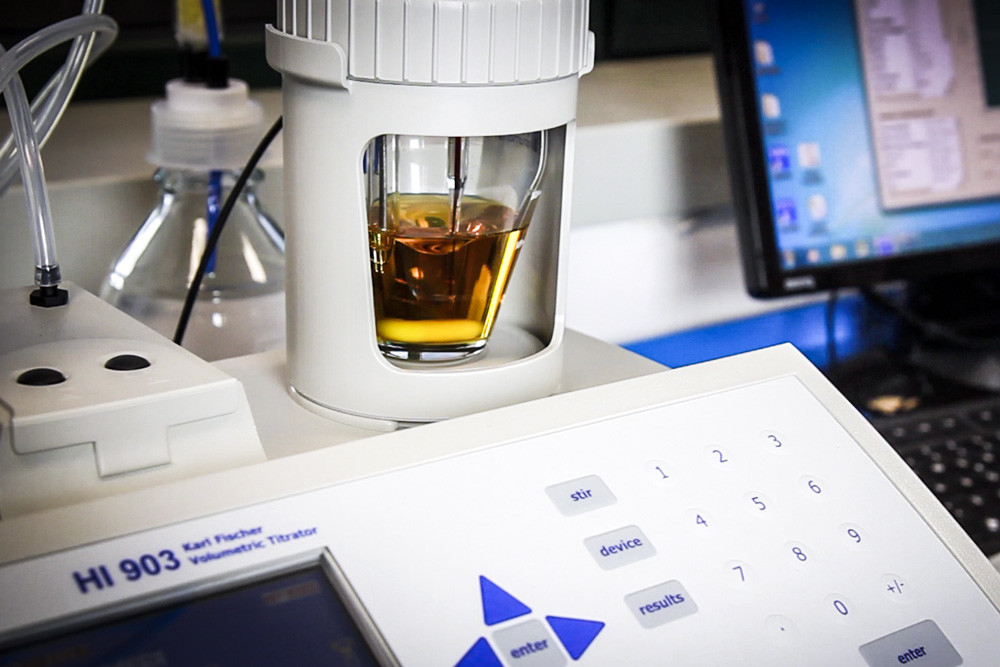
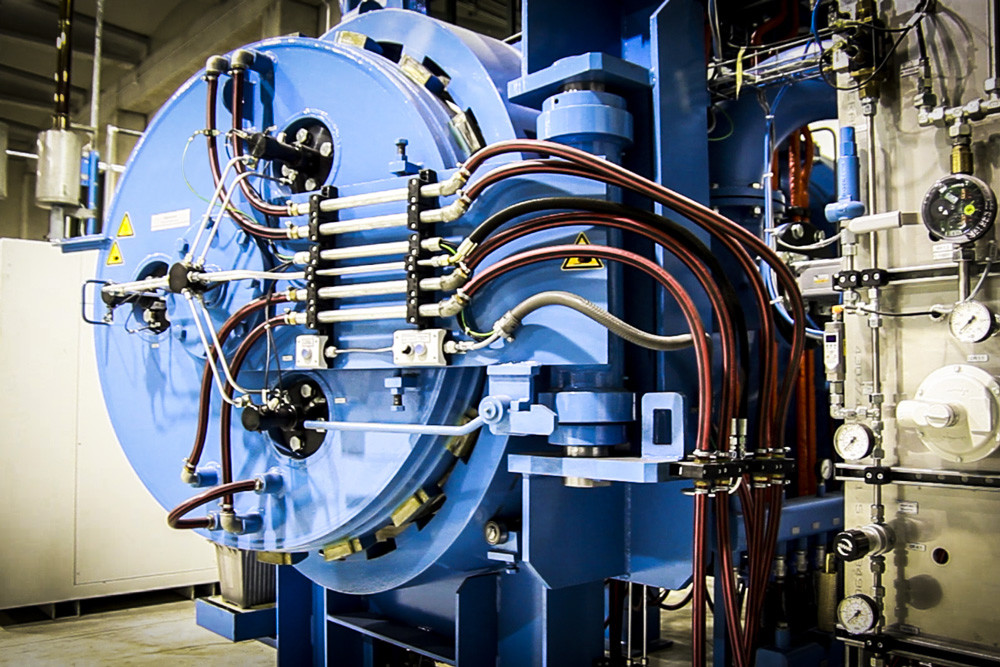
Nashira Hardmetals integrates production, machining, and inspection technologies dedicated to hard metal, aiming to ensure process repeatability and material property compliance.
Design and production are supported by CAD-CAM systems, CNC machining, and specialized equipment for the manufacturing and finishing of cemented carbide components.
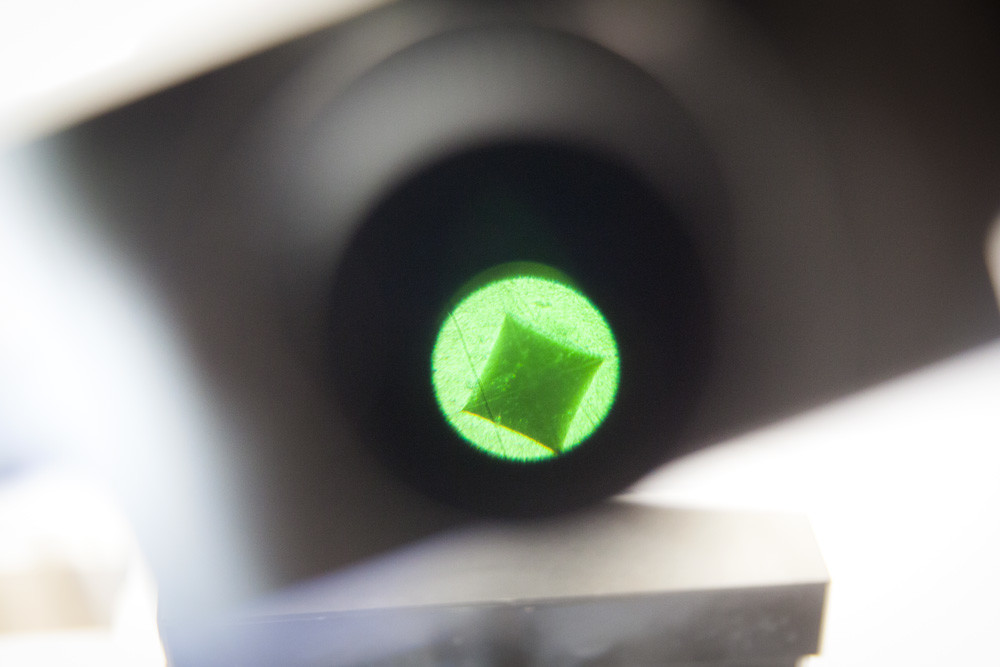
Material and process control includes verification of the physical, metallurgical, and dimensional characteristics of the manufactured components.

Manual work

Interesting facts about hard metal

Scopriamo tutto quello che c’è da sapere su questo splendido materiale.

1. What is cemented carbide?

Hard metal (also known as Widia, cemented carbide, or tungsten carbide) is a material used in machining that consists of hard tungsten carbide particles embedded in a metal matrix (often cobalt).
Hard metal is produced via a sintering process; essentially, the fine component powders are mixed, pressed, and then heated under high pressure, causing the powder granules to bond together into a single, solid piece.

This means that hard metals are not true metals in the strict sense, but rather carbides (80–95%) bound together by a metal. Tungsten carbide is the material of choice for components subject to wear—such as abrasion, erosion, corrosion, and metal-on-metal seizing.
Consequently, it possesses an extremely high degree of hardness. It also exhibits high compressive strength and resistance to deformation and high temperatures.

These physical characteristics are particularly advantageous for metal-cutting applications. The material ensures a long service life for tools that would otherwise wear out prematurely if made from other materials.

2. The history of cemented carbide

In the 1920s and 1930s, cemented carbide was very expensive, costing over 450 euros per ounce.
However, even at that price, its use could be economically justified. Indeed, the practice of making only the tips of tools out of cemented carbide stems precisely from economic considerations.
In any case, Widia tools were tested at General Electric facilities and gained public recognition in 1928.

Read more

3. Characteristics of cemented carbide

Hard metal possesses truly unique characteristics.
Density and hardness are just a few—discover them all.

Read more

Let’s explore the composition and the various properties that make this metal unique.

Download grades and applications

4. The glossary

An enthusiast needs to know the most important terms related to cemented carbide.
Discover them with us.

Go to the Glossary page

Latest News

Nashira Hardmetals S.r.l. is carrying out the ReCaTu project, co-financed by the European Union.