


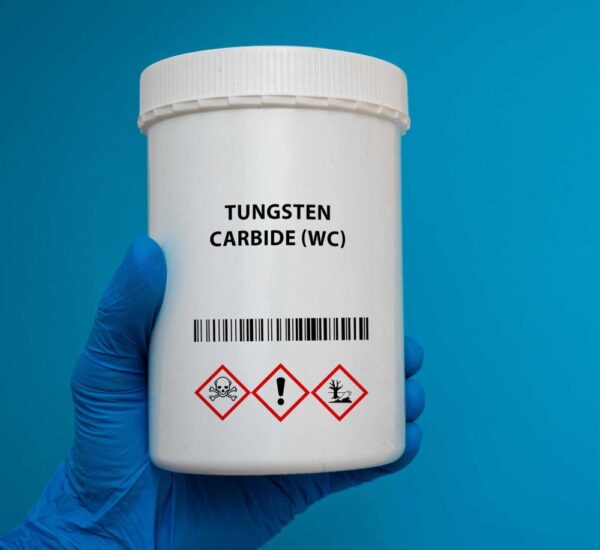
The tungsten carbide market is experiencing a period of severe pressure in 2026. Rising raw material costs, geopolitical volatility, and international export restrictions are creating major challenges across the entire European industrial supply chain.
Industries such as:
are facing significant cost increases related to tungsten carbide.
But why did tungsten carbide prices rise so rapidly in 2026?
Tungsten carbide is a high-performance material mainly composed of:
Thanks to its mechanical properties, tungsten carbide is widely used to manufacture:
The main characteristics of tungsten carbide include:
For these reasons, tungsten carbide is considered a strategic raw material for European industry.
China controls a dominant share of global tungsten and tungsten carbide powder production.
In 2026, the Chinese government introduced additional restrictions on critical raw material exports, causing:
Many European companies are currently facing difficulties sourcing tungsten carbide powders and semi-finished products.
Demand for tungsten carbide increased significantly across sectors such as:
The growth in industrial and strategic investments has led to stronger demand for highly wear-resistant materials such as tungsten carbide.
The tungsten carbide scrap market also experienced strong price increases in 2026.
Today, recycling hard metal scrap has become essential to:
The value of selected tungsten carbide scrap has increased substantially in recent months.
The European Union classifies tungsten as a “Critical Raw Material”.
This means:
As a result, tungsten carbide is now at the center of European industrial policies related to:
Tungsten carbide recycling represents one of the most important solutions to address the raw material crisis.
Regenerating tungsten carbide allows companies to:
Companies specialized in tungsten carbide recovery and regeneration can now provide greater production continuity to industrial customers.
In today’s market, European tungsten carbide manufacturers with integrated production capabilities are becoming increasingly important, especially those equipped with:
The ability to internally control the entire tungsten carbide production process enables manufacturers to:
In the short term, the tungsten carbide market will likely continue to experience:
Much will depend on:
The increase in tungsten carbide prices in 2026 is the result of structural factors related to:
In this scenario, recycled tungsten carbide, European production, and vertical integration are becoming increasingly important.
For industrial companies, it is now essential to:
Tungsten carbide will continue to be one of the most strategic materials for advanced European industry in the coming years.